
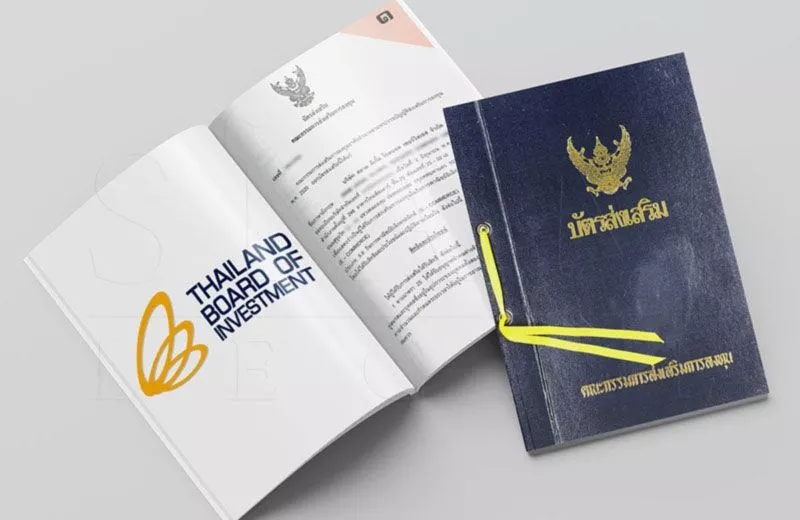
Thailand Board of Investment

The Thailand Board of Investment (BOI) stands as a pivotal agency in Thailand’s economic landscape, driving foreign direct investment and spearheading economic growth. Established with a mission to attract and facilitate investments, the BOI plays a crucial role in propelling Thailand’s industrial and technological advancements. This article delves into the significance, functions, incentives, and application process of the Thailand Board of Investment, shedding light on its instrumental role in fostering business growth and development.

I. The Genesis of Thailand Board of Investment

Established in 1954, the Thailand Board of Investment is a government agency operating under the Office of the Prime Minister. It was created to encourage and facilitate both local and foreign investment in Thailand’s priority industries.

II. Objectives of the BOI

A. Promoting Investment: The primary goal of the BOI is to promote and facilitate investment in industries that align with Thailand’s economic development goals.

B. Enhancing Economic Competitiveness: By offering a range of incentives, the BOI aims to bolster the competitiveness of Thailand’s industries on the global stage.

C. Stimulating Technological Advancements: The BOI encourages the adoption of advanced technologies and innovation to drive industrial growth and enhance productivity.

III. Priority Industries and Investment Promotion

The BOI classifies industries into various categories, offering different sets of incentives to attract investments. Priority industries include sectors like manufacturing, agriculture and agro-industry, mining, and services.

IV. BOI Investment Incentives

A. Tax Privileges: The BOI offers tax exemptions or reductions on corporate income tax for a specified period, depending on the industry and location.

B. Import Duty Exemption or Reduction: Eligible projects may enjoy exemptions or reductions on import duties for machinery, raw materials, and essential components.

C. Land Ownership and Use Rights: Foreign investors can receive rights to own land for promoted activities, which is otherwise restricted.

D. Permission for Foreign Workers: The BOI provides permissions for foreign experts, technicians, and skilled workers to work in Thailand.

V. Application Process

A. Eligibility and Project Proposal: Investors must meet the eligibility criteria and submit a comprehensive project proposal detailing their investment plan.

B. BOI Application Submission: The application, along with the required documents, is submitted to the BOI.

C. BOI Evaluation and Approval: The BOI reviews the application, and upon approval, the investment project is granted BOI promotion privileges.

VI. BOI and Economic Growth

The BOI has been instrumental in attracting a substantial influx of foreign direct investment, catalyzing industrial expansion, technological advancement, and job creation in Thailand.

VII. Challenges and Future Endeavors

While the BOI has played a pivotal role in Thailand’s economic development, it continues to evolve to address new challenges and capitalize on emerging opportunities in the global business landscape.

Conclusion

The Thailand Board of Investment remains a cornerstone of Thailand’s economic success, driving investment, technological advancement, and industrial growth. By offering a range of incentives, the BOI continues to be a magnet for local and foreign investors, propelling Thailand’s position as a competitive player in the global market. As it adapts to new economic landscapes and embraces emerging industries, the BOI stands poised to play a pivotal role in Thailand’s future economic prosperity.


Marriage in Thailand

The Civil and Commercial Code of Thailand regulates marriage in Thailand. The minimum age for marriage in Thailand is 20, but people as young as 17 can get married if their parents or legal guardians agree.

Thailand requires a number of documents from foreigners who want to be married, including a passport, a declaration of their marital status, and evidence that they are legally free to do so. They can also be asked to submit a certified Thai translation of their original documents.

If a Thai national is under 20 years old, they must also present their ID card, household registration, and a letter of permission from their parents.

Thai district offices or the Office of the Registrar at the Ministry of Foreign Affairs in Bangkok are the two places where marriages can be registered. Both parties must physically appear at the registration office in order for the marriage to be registered.

Thai law acknowledges both civil and religious weddings, but only civil marriages are considered to be legally binding. A traditional Thai wedding ceremony is also an option, but it is not required by law.

In order to make sure that all legal criteria are satisfied, couples who are thinking about getting married in Thailand may want to consult a local attorney or wedding planner.

Getting a Divorce in Thailand

Divorce in Thailand is a complex process that can be long and expensive. The process can be made more manageable by using a lawyer who is familiar with the local family law in Thailand.

The first step in divorce in Thailand is to get a written legal order from the Court. The legal order is a document that sets out the terms of the divorce such as child custody and division of property. The Court will also award alimony and/or child support where appropriate.

Getting a Divorce in Thailand can be very stressful and expensive, especially if there are children involved. This is why it is important to speak to our Thai family lawyers at MAGNA CARTA Law Firm before you decide to sign any agreements regarding divorce in Thailand.

There are two types of divorce in Thailand: contested and uncontested. The contested type of divorce requires the couple to appear in Court where a judge will decide on all aspects of the case.

If the couple are in agreement then they may be able to file for an uncontested divorce. This is a much quicker and cheaper way to obtain a divorce.

The other option is to file a contested divorce which involves more expense and can be complicated as there are often many grounds for filing for a divorce. This is the preferred method of filing for a divorce in Thailand as it provides more control over the terms of the divorce.

A Contested divorce is an action that requires the filing of a legal claim in the Family and Juvenile Courts. This can be done in a number of ways, including by either spouse requesting the case to be heard in Court or by both spouses agreeing to the divorce and obtaining the Court’s permission to proceed with the legal claim.

Grounds for a Contested Divorce in Thailand include: i) 3 years separation or longer ii) One spouse has deserted willfully the other spouse for more than one year iii) Adultery iv) One of the parties is committing serious insult to the other’s character or that of their family by any act, conduct or statement which degrades or destroys the other person’s reputation, dignity or standing in the community.

iv) One party has been convicted of a criminal offence that is incompatible with the maintenance or other rights of the other party, and he or she has not been pardoned by the Thai authorities as required under Thai law (Sin Suan Tua). This ground can be used when the person who has committed the offence resides abroad.

It can also be used when one of the spouses has died or was injured in a way that prevents him or her from maintaining the maintenance obligation.

In such cases, the deceased spouse can be made a debtor and a judgment creditor in order to make up for any financial shortfall that may result from the divorce.

In addition, some countries are very strict in recognizing Thai divorces. It is therefore very important to consult with a lawyer about the implications of getting a divorce in Thailand and the consequences for international clients.

How to Get Married in Thailand

If you’re planning to get married in Thailand, there are a few things you should know. First, it’s important to understand the Thai culture and traditions before you head over there. This will ensure that you don’t have any issues during the wedding process.

You will also want to take note of the laws regarding marriage in Thailand, including the requirements you need to meet. These can be found in the Civil and Commercial Code, which is the main body of law that governs family and marriage in Thailand.

Generally, you’ll need to be over 17 years old to marry in Thailand or have permission from your parents. If you’re under this age, you should also have permission from a court to marry in Thailand.

Both parties must be in full legal capacity to marry (meaning they don’t have any criminal or immoral convictions). If you are not, your marriage will be considered illegal in Thailand.

In order to get married in Thailand, you will need to register your marriage with the registrar. Whether you’re a foreigner or a Thai citizen, this is the first step to getting married in Thailand.

The next step is to submit all the required documents and translations to the Ministry of Foreign Affairs in Bangkok for authentication. Normally, you’ll need to pay an additional fee for this service.

Once this is completed, you’ll need to head to a local district office, also known as an “amphur” or “khet,” to complete the marriage registration. Once you’ve done this, you can then start planning your dream wedding and celebrating with your loved ones!

If you are a foreigner, your marriage will require more paperwork and steps than if you are a Thai citizen. This is because you will need to provide your passport and the immigration card that you used to enter Thailand.

All of these documents must be translated into Thai and sworn by a foreigner who is approved by the Ministry of Foreign Affairs. Once this is done, you can then submit them to the Department of Consular Affairs in Bangkok for legalization.

When you submit these documents, you will also need to have your name and marriage date changed on your passport. This will allow you to travel in and out of Thailand more freely.

You can then register your marriage at any district office, but it’s best to do this at the nearest one to you. This will save you a lot of time and stress.

Once you’ve registered your marriage, the registrar will issue a marriage certificate that will be legally valid in Thailand and anywhere else you may go. You can then use this certificate for a variety of purposes, such as applying for a visa or opening a bank account.

Lastly, if you are a foreigner, your marriage can be officially recognized by your embassy in Thailand, as long as you have the correct documents. Depending on your country of citizenship, you might be able to get a marriage visa that lets you stay in Thailand for up to 30 days without having to return to your home country first.