
90-Day Reporting

90-day reporting is a mandatory procedure for foreigners residing in Thailand. This guide provides an in-depth analysis of the 90-day reporting process, including the legal framework, reporting methods, required documentation, potential challenges, and practical tips to ensure compliance.

1. Understanding 90-Day Reporting

Definition and Purpose:
  • Definition: 90-day reporting is a requirement for foreigners who stay in Thailand for 90 days or longer, requiring them to report their current address to Thai Immigration every 90 days.
  • Purpose: The purpose is to keep the Thai government informed of the whereabouts of foreign residents, ensuring they remain compliant with immigration laws.

2. Legal Framework

Relevant Laws and Regulations:
  • Immigration Act B.E. 2522 (1979): Governs the entry, stay, and departure of foreigners in Thailand.
  • Regulation on 90-Day Reporting: Specifies the requirement for foreigners to report their residential address every 90 days to the Immigration Bureau.
Key Points:
  • Mandatory for All Long-Term Residents: Applicable to all foreigners staying in Thailand on non-immigrant visas, retirement visas, work permits, and other long-term visas.
  • Compliance: Non-compliance can result in fines and potential visa complications.

3. Reporting Methods

In-Person Reporting:
  • Procedure: Visit the nearest Immigration Office within 15 days before or 7 days after the 90-day period expires.
  • Steps:
    1. Fill out the TM47 form.
    2. Submit the form along with required documents to the Immigration officer.
    3. Receive a receipt of notification with the next reporting date.
Online Reporting:
  • Eligibility: Available to those who have previously reported in person.
  • Procedure: Use the official Thai Immigration website to submit the TM47 form online.
  • Steps:
    1. Create an account or log in.
    2. Fill out and submit the TM47 form.
    3. Receive a confirmation email with the next reporting date.
Mail Reporting:
  • Procedure: Send the TM47 form and required documents via registered mail to the designated Immigration office.
  • Steps:
    1. Complete the TM47 form.
    2. Include copies of passport pages, previous 90-day receipt, and return envelope with postage.
    3. Mail to the appropriate Immigration office.
    4. Receive a notification receipt by mail.

4. Required Documentation

Documents Needed for Reporting:
  • TM47 Form: The official 90-day reporting form.
  • Passport: Copies of the main page, latest visa page, and latest entry stamp.
  • Previous Receipt: Copy of the previous 90-day reporting receipt.
  • Address Proof: Proof of current residential address in Thailand.
Additional Documents for Specific Cases:
  • Work Permit Holders: Copy of the work permit.
  • Dependent Visas: Copies of the primary visa holder’s documents.

5. Potential Challenges and Solutions

Common Issues:
  • Missed Deadlines: Missing the 90-day reporting window can result in fines.
  • Technical Issues with Online Reporting: Website downtimes or submission errors.
  • Lost Mail: Documents sent by mail not reaching the Immigration office.
Solutions:
  • Set Reminders: Use calendar reminders or apps to track reporting deadlines.
  • Early Reporting: Report as early as possible within the allowed timeframe.
  • Keep Records: Maintain copies of all submitted documents and receipts.
  • Follow Up: For mail reporting, follow up with the Immigration office if you do not receive a receipt.

6. Practical Tips for Successful 90-Day Reporting

In-Person Reporting Tips:
  • Visit During Off-Peak Hours: Mornings and mid-week days are usually less crowded.
  • Prepare Documents: Have all documents ready and correctly filled out before your visit.
  • Be Polite and Patient: Immigration officers handle many cases; being courteous can facilitate smoother processing.
Online Reporting Tips:
  • Check Website Functionality: Ensure the Immigration website is functional before starting the process.
  • Save Copies: Save a copy of the submitted form and confirmation email.
  • Double-Check Details: Verify all information entered is accurate to avoid submission errors.
Mail Reporting Tips:
  • Use Registered Mail: Ensures that your documents can be tracked and verified upon delivery.
  • Include Contact Information: Add a note with your contact details in case there are issues with your submission.
  • Follow Up: Confirm receipt of your notification with the Immigration office if you do not receive a response within a reasonable time.

7. Legal Implications and Penalties

Penalties for Non-Compliance:
  • Fines: Typically, THB 2,000 for missing the reporting deadline.
  • Increased Scrutiny: Repeated non-compliance can lead to increased scrutiny on visa renewals or extensions.
  • Possible Detention: In extreme cases, non-compliance can lead to detention or deportation.
Mitigating Penalties:
  • Immediate Reporting: If you miss the deadline, report to the Immigration office as soon as possible to minimize fines.
  • Proof of Attempts: Keep records of any attempts to comply (e.g., screenshots of website errors) to explain delays.

8. Case Studies and Real-Life Examples

Example 1: Digital Nomad:
  • Scenario: A digital nomad staying in Chiang Mai on a long-term tourist visa.
  • Action: Reports every 90 days using the online reporting system after the initial in-person report.
  • Outcome: Smooth compliance with no fines or issues, benefiting from the convenience of online reporting.
Example 2: Retiree:
  • Scenario: A retiree living in Pattaya on a retirement visa.
  • Action: Uses in-person reporting, preparing all documents ahead of time and visiting the local Immigration office early in the morning.
  • Outcome: Successful reporting with minimal wait times and no fines.
Example 3: Corporate Employee:
  • Scenario: A corporate employee working in Bangkok with a work permit.
  • Action: Uses mail reporting due to a busy schedule, sending documents well in advance.
  • Outcome: Receives notification receipts by mail, ensuring compliance without needing to visit the Immigration office.

9. Conclusion

90-day reporting is an essential requirement for all long-term foreign residents in Thailand. Understanding the legal framework, reporting methods, required documentation, and potential challenges is crucial for compliance. By following the practical tips and best practices outlined in this guide, foreign residents can navigate the 90-day reporting process efficiently, avoiding fines and ensuring a smooth stay in Thailand. This comprehensive guide enhances depth and detail, providing valuable insights and actionable information for anyone needing to comply with the 90-day reporting requirement in Thailand.


Grounds for Divorce

Grounds for Divorce. Thailand’s rich culture and stunning scenery attract many expats, but sometimes marriages don’t last. If you find yourself contemplating divorce in Thailand, understanding the legal grounds is crucial. Here’s a breakdown of the reasons recognized by Thai law for dissolving a marriage.

Citing Grounds for Divorce

Thai divorce proceedings require citing specific grounds outlined in Section 1516 of the Civil and Commercial Code. These grounds must be proven in court for the judge to grant the divorce. Here are the main grounds for divorce in Thailand:

  • Marital Infidelity: This includes adultery or cohabitation with another person.
  • Misconduct or Cruelty: This covers a wide range of behaviors, including physical or mental abuse, serious insults, or criminal activity harming the other spouse.
  • Desertion: If one spouse abandons the other for over a year without reasonable cause.
  • Failure to Provide Support: A spouse’s persistent neglect to financially support the other qualifies as a ground.
  • Insanity: If a spouse has been incurably insane for at least three consecutive years.
  • Separation: Two situations apply:
    • Mutual Consent: Both spouses have voluntarily lived separately for more than three years.
    • Unilateral Separation: One spouse has left the other for more than three years, and the whereabouts or living status of the departed spouse is unknown.
  • Other Serious Issues: The law also recognizes a catch-all provision for “other serious matters” that disrupt the marital bond to such an extent that continuing the marriage is impossible.

Important Considerations

While these grounds provide a framework, navigating a Thai divorce can be complex. Here are some additional factors to consider:

  • Evidence Gathering: Strong evidence is needed to support your claim, such as witness testimonies, medical records, or financial statements.
  • Financial Implications: Thailand follows a community property system, so assets acquired during the marriage are generally divided equally.
  • Child Custody and Support: If children are involved, child custody and support arrangements need to be addressed in the divorce settlement.

Seeking Legal Counsel

Due to the complexities involved, consulting with a qualified lawyer specializing in Thai family law is highly recommended. They can guide you through the process, advise on the most appropriate grounds based on your situation, and ensure your rights are protected.

Conclusion

Understanding the grounds for divorce in Thailand empowers you to make informed decisions during a difficult time. By seeking legal guidance and gathering the necessary evidence, you can navigate the divorce process with clarity and minimize potential complications. Remember, this article provides a general overview, and it’s always best to consult with a lawyer for specific advice on your situation.

Title Search in Thailand

Title Search in Thailand. Imagine finding your dream vacation home in Thailand, only to discover later that the seller didn’t actually own the property. A nightmare scenario, right? This is why a title search is an absolute necessity before finalizing any property purchase in Thailand.

What is a Title Search?

A title search is an investigation into the legal ownership and history of a property. It involves verifying the seller’s right to sell the property and uncovering any outstanding claims or encumbrances, such as mortgages or liens.

Why is it Important?

There are several reasons why a title search is crucial:

  • Verify Ownership: It confirms that the seller is the legitimate owner and has the authority to sell the property.
  • Uncover Encumbrances: It reveals any outstanding debts or restrictions on the property, such as mortgages or easements.
  • Peace of Mind: Knowing the property’s legal status gives you peace of mind and protects you from future complications.
  • Due Diligence: A title search is a fundamental part of due diligence when buying property.

What Does a Title Search Involve?

Traditionally, title searches in Thailand are conducted in person at the Land Department with jurisdiction over the property. Land records are often paper-based, making the process time-consuming. Here’s what a title search typically entails:

  • Information Gathering: The process begins by collecting details about the property, including its identification number and location.
  • Land Department Visit: A representative, often a lawyer, visits the Land Department to access property records.
  • Document Review: The title deed and other documents are examined to verify ownership history and identify any encumbrances.
  • Report and Translation: A report summarizing the findings is prepared, often with the title deed translated into English for your understanding.

Considering a Lawyer?

While navigating the Land Department can be complex, you can choose to conduct the title search yourself. However, due to the language barrier and the intricacies of Thai property law, using a lawyer specializing in real estate is highly recommended. They can ensure a thorough search, interpret legal documents, and advise you on any potential issues.

Conclusion

A title search is a vital step in safeguarding your investment when buying property in Thailand. Don’t let your dream home turn into a legal nightmare. By prioritizing a title search, you can ensure a smooth and secure property transaction.

Thailand Elite Visa

The Thailand Elite Visa, rebranded in 2023 as part of the Thailand Privilege Visa Program, is a unique long-term residency scheme issued under Section 17 of the Immigration Act B.E. 2522 (1979). Unlike standard visa categories, it is not based on employment, marriage, retirement, or investment in the conventional sense. Rather, it operates under a contractual model, wherein the applicant becomes a member of a government-owned company—Thailand Privilege Card Co., Ltd. (TPC)—in exchange for residency and service privileges.

This visa functions as both a residence permit and an access pass to a suite of concierge-style services and administrative advantages. Its structure, rooted in legal discretion and civil contract law, offers privileges that go beyond immigration formalities.

II. Legal Basis and Administrative Framework

Section 17 of the Immigration Act

“In special cases, the Minister, with the approval of the Cabinet, may permit any alien to stay in the Kingdom under any condition.”

This discretionary clause allows for the issuance of visas outside the rigid conditions of typical immigration laws. The Thai Elite Visa falls squarely within this special provision.

Thailand Privilege Card Co., Ltd. (TPC)

  • A wholly owned subsidiary of the Tourism Authority of Thailand (TAT)

  • Acts as both the contracting party and the service provider

  • Coordinates directly with the Thai Immigration Bureau for visa processing and extensions

III. Visa and Membership Structure

The visa associated with the program is classified as a Non-Immigrant PE (Privilege Entry) Visa. Validity, benefits, and privileges depend on the membership tier:

Tier Cost (THB) Total Validity Transferable Points/Year Eligible for Dependents
GOLD 900,000 5 years No 20 No
PLATINUM 1.5 million 10 years Yes (1 transfer) 35 Yes
DIAMOND 2.5 million 15 years Yes (1 transfer) 55 Yes
RESERVE 5 million 20 years Yes (exclusive) 120 Yes (invite only)

Each tier grants a 5-year PE visa, with automatic renewal inside Thailand. The visa allows for 365-day stays per entry and includes multiple-entry privileges.

IV. Immigration and Legal Privileges

1. Extended Stay Without Standard Eligibility Conditions

Members are exempt from traditional immigration requirements, such as:

  • Income thresholds or bank deposits

  • Employment contracts or business licenses

  • Marriage or family sponsorship

  • Health insurance (as of 2025 regulations)

2. Multiple Entry with No Reentry Permit Requirement

Unlike most visa categories, Elite members do not need reentry permits. They can leave and re-enter Thailand at will during the visa’s validity.

3. In-Country Stay Extensions

  • Visa is extended annually at the One Stop Service Center (OSSC) or provincial immigration offices

  • No requirement to exit the country for renewals

4. Delegated Immigration Compliance

Foreigners in Thailand must submit:

  • TM.47: 90-day address confirmation

  • TM.30: Notification of address change

Elite members can authorize TPC to handle these filings via a Power of Attorney, thereby avoiding in-person visits to immigration offices.

V. Points-Based Privileges and Concierge Services

Each membership tier grants Privilege Points annually. These are redeemable through TPC for both lifestyle and administrative services. These privileges are contractual and non-statutory—i.e., not embedded in immigration law, but in the service agreement.

Categories of Redeemable Privileges

Category Examples
Transport Airport limousine, intercity private car, airport meet & greet
Healthcare Executive check-ups at Bumrungrad, BNH, Samitivej hospitals
Hospitality Luxury hotel stays, fine dining, wellness retreats
Golf & Leisure Complimentary rounds at partner golf clubs, spa packages
Concierge Event booking, translation services, shopping assistant
  • Points expire at year-end and cannot be transferred or rolled over

VI. Government Liaison Services

TPC also supports members with navigation of Thai bureaucratic systems. While these services do not confer exemptions, they substantially reduce complexity and language barriers.

Administrative Task Support Offered
Driver’s License Translation, appointment booking, test support at Department of Land Transport
Bank Account Setup Certification letters and coordination with select commercial banks
TIN (Tax ID Number) Support in registration with the Thai Revenue Department
Document Legalization Coordination with certified translators and notarial services

VII. Tax Residency and Financial Considerations

1. Tax Residency Status

A member becomes a Thai tax resident if they are in Thailand for 183 or more days in a calendar year. Consequences include:

  • Filing an annual personal income tax return (PND.90/91)

  • Possible declaration of foreign income, subject to timing

2. Foreign Income Rules (Section 41, Revenue Code)

“Foreign-sourced income is taxable only if remitted into Thailand during the same year it was earned.”

This permits legal tax deferral on offshore income by adjusting remittance schedules—an important feature for remote professionals or global investors.

VIII. Dependent Inclusion

Tiers from Platinum upward allow for family members to be included:

  • Eligible dependents: spouse and children under 20

  • Additional fee: typically 1,000,000 THB per dependent

  • Dependents receive the same visa duration but no privilege points

IX. Legal Restrictions and Revocation Conditions

1. No Work Authorization

The Elite Visa does not permit employment in Thailand. Prohibited activities include:

  • Paid work

  • Managing or directing a business

  • Volunteering or advisory roles

Violations trigger immediate visa cancellation, fines, deportation, and blacklisting under the Alien Working Act B.E. 2551 (2008).

2. Property Ownership

Elite members are treated as foreigners under Thai property law:

  • Cannot own land

  • Can purchase condominium units within the 49% foreign quota

  • May lease land or property up to 30 years, renewable by contract

3. Termination Triggers

Cause Consequence
Criminal conviction Revocation of membership and visa
Unauthorized work Deportation and entry ban
False information in application Termination without refund
Immigration violation (overstay) Immediate cancellation and blacklist

All memberships are non-refundable regardless of termination reason.

X. Application Process

Eligibility

  • Minimum age: 20 years

  • Valid passport with at least 6 months’ validity

  • No criminal or immigration violation record

Process

  1. Application submitted to TPC or licensed agent

  2. Background screening by Thai Immigration and Royal Thai Police

  3. Conditional approval issued

  4. Payment of membership fee

  5. Welcome kit and member ID issued

  6. Visa affixed at:

    • Thai Embassy abroad, or

    • One Stop Service Center in Bangkok (for in-country applicants)

Processing time: 30–90 days depending on nationality and background check

XI. Summary

Privilege Scope
Long-term stay Up to 20 years (renewable 5-year visas)
No income/sponsor requirements Residence based purely on membership
Concierge government services Driver’s license, bank, TIN setup, 90-day reporting handled
Lifestyle privileges Healthcare, hospitality, airport fast-track, leisure access
Tax planning potential Offshore income deferral permitted by Revenue Code Section 41
Minimal compliance burden No reentry permits; in-country visa renewal

XII. Conclusion

The Thailand Elite Visa represents a rare and deliberate blending of immigration authority with civil contractual arrangements. Unlike other visas, it is not built on eligibility criteria but on a financial agreement sanctioned by the Thai government. It is not a path to citizenship, permanent residency, or employment—but it provides long-term legal residence, immigration stability, and bureaucratic ease for individuals who operate within its clearly defined limits.

This program is ideal for:

  • Retirees seeking long-stay residence without income verification

  • Remote professionals with offshore income and no need for a work permit

  • High-net-worth individuals seeking low-friction access to Thailand

Business Visa in Thailand

Business Visa in Thailand. Commercial visas serve as crucial gateways for businesses and professionals wishing to explore prospects in Thailand’s dynamic commercial scene. Understanding the intricacies of acquiring and utilizing these visas is vital for individuals and firms wishing to engage in economic operations in the country.

Thailand offers numerous types of business visas geared to fulfill the diverse demands of overseas investors and business professionals. These visas provide holders with the legal right to conduct business-related activities within the country’s borders.

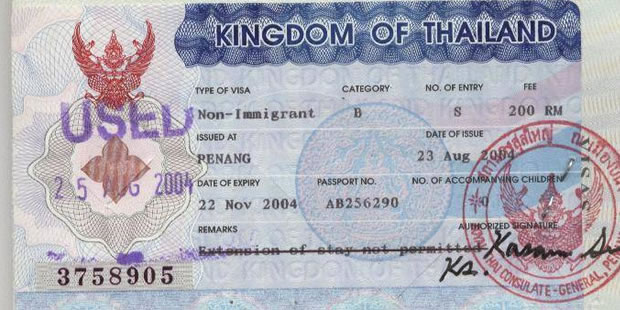
Non-Immigrant Business Visa (B visa)

The Non-Immigrant Business Visa (B visa) is one of the most widely used categories of business visas in Thailand. This visa is intended for people who want to travel to Thailand on business, such as to attend conferences or meetings or look into possible commercial ventures. Typically, applicants must submit supporting documentation attesting to their financial stability and business intents in order to be eligible for a B visa.

Thailand provides additional visa alternatives for particular business objectives in addition to the Non-Immigrant Business Visa. For example, foreign investors wishing to start or engage in firms in Thailand might apply for the Investment Visa (I visa). In a same vein, the SMART Visa initiative aims to support highly qualified individuals, investors, and business owners who wish to support Thailand’s economic growth.

Usually, to obtain a business visa for Thailand, one must apply to the Royal Thai Embassy or Consulate in their home country or place of residency. Depending on the type of visa and the applicant’s country, the application procedure may change.

Perks and Benefits

After being granted, holders of business visas are allowed to do a variety of business-related activities in Thailand, such as attending conferences, negotiating contracts, and looking into potential investments. To prevent any legal problems during their stay in the nation, visa holders must strictly abide by the terms and conditions of their visa.

In certain situations, it is also feasible to extend or renew a business visa in Thailand. To keep their legal status in the nation, people must, however, make sure they meet the requirements and take the appropriate actions.

To sum up, business visas are incredibly useful for people and organizations looking to take part in Thailand’s thriving business scene. Professionals and businesses can confidently and easily negotiate the hurdles of conducting business in Thailand by being aware of the many visa alternatives that are available and adhering to the pertinent requirements.