Thailand Elite Visa

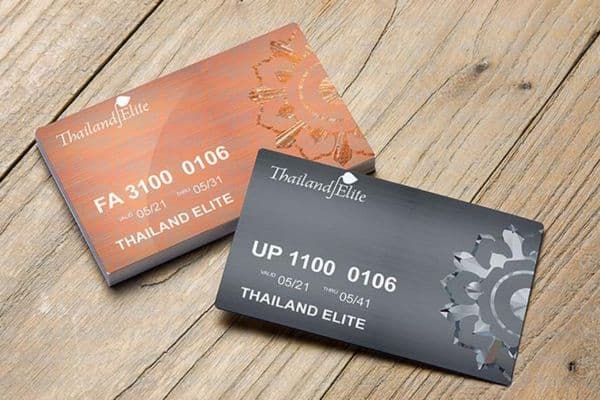
The Thailand Elite Visa, rebranded in 2023 as part of the Thailand Privilege Visa Program, is a unique long-term residency scheme issued under Section 17 of the Immigration Act B.E. 2522 (1979). Unlike standard visa categories, it is not based on employment, marriage, retirement, or investment in the conventional sense. Rather, it operates under a contractual model, wherein the applicant becomes a member of a government-owned company—Thailand Privilege Card Co., Ltd. (TPC)—in exchange for residency and service privileges.

This visa functions as both a residence permit and an access pass to a suite of concierge-style services and administrative advantages. Its structure, rooted in legal discretion and civil contract law, offers privileges that go beyond immigration formalities.

II. Legal Basis and Administrative Framework

Section 17 of the Immigration Act

“In special cases, the Minister, with the approval of the Cabinet, may permit any alien to stay in the Kingdom under any condition.”

This discretionary clause allows for the issuance of visas outside the rigid conditions of typical immigration laws. The Thai Elite Visa falls squarely within this special provision.

Thailand Privilege Card Co., Ltd. (TPC)

  • A wholly owned subsidiary of the Tourism Authority of Thailand (TAT)

  • Acts as both the contracting party and the service provider

  • Coordinates directly with the Thai Immigration Bureau for visa processing and extensions

III. Visa and Membership Structure

The visa associated with the program is classified as a Non-Immigrant PE (Privilege Entry) Visa. Validity, benefits, and privileges depend on the membership tier:

Tier Cost (THB) Total Validity Transferable Points/Year Eligible for Dependents
GOLD 900,000 5 years No 20 No
PLATINUM 1.5 million 10 years Yes (1 transfer) 35 Yes
DIAMOND 2.5 million 15 years Yes (1 transfer) 55 Yes
RESERVE 5 million 20 years Yes (exclusive) 120 Yes (invite only)

Each tier grants a 5-year PE visa, with automatic renewal inside Thailand. The visa allows for 365-day stays per entry and includes multiple-entry privileges.

IV. Immigration and Legal Privileges

1. Extended Stay Without Standard Eligibility Conditions

Members are exempt from traditional immigration requirements, such as:

  • Income thresholds or bank deposits

  • Employment contracts or business licenses

  • Marriage or family sponsorship

  • Health insurance (as of 2025 regulations)

2. Multiple Entry with No Reentry Permit Requirement

Unlike most visa categories, Elite members do not need reentry permits. They can leave and re-enter Thailand at will during the visa’s validity.

3. In-Country Stay Extensions

  • Visa is extended annually at the One Stop Service Center (OSSC) or provincial immigration offices

  • No requirement to exit the country for renewals

4. Delegated Immigration Compliance

Foreigners in Thailand must submit:

  • TM.47: 90-day address confirmation

  • TM.30: Notification of address change

Elite members can authorize TPC to handle these filings via a Power of Attorney, thereby avoiding in-person visits to immigration offices.

V. Points-Based Privileges and Concierge Services

Each membership tier grants Privilege Points annually. These are redeemable through TPC for both lifestyle and administrative services. These privileges are contractual and non-statutory—i.e., not embedded in immigration law, but in the service agreement.

Categories of Redeemable Privileges

Category Examples
Transport Airport limousine, intercity private car, airport meet & greet
Healthcare Executive check-ups at Bumrungrad, BNH, Samitivej hospitals
Hospitality Luxury hotel stays, fine dining, wellness retreats
Golf & Leisure Complimentary rounds at partner golf clubs, spa packages
Concierge Event booking, translation services, shopping assistant
  • Points expire at year-end and cannot be transferred or rolled over

VI. Government Liaison Services

TPC also supports members with navigation of Thai bureaucratic systems. While these services do not confer exemptions, they substantially reduce complexity and language barriers.

Administrative Task Support Offered
Driver’s License Translation, appointment booking, test support at Department of Land Transport
Bank Account Setup Certification letters and coordination with select commercial banks
TIN (Tax ID Number) Support in registration with the Thai Revenue Department
Document Legalization Coordination with certified translators and notarial services

VII. Tax Residency and Financial Considerations

1. Tax Residency Status

A member becomes a Thai tax resident if they are in Thailand for 183 or more days in a calendar year. Consequences include:

  • Filing an annual personal income tax return (PND.90/91)

  • Possible declaration of foreign income, subject to timing

2. Foreign Income Rules (Section 41, Revenue Code)

“Foreign-sourced income is taxable only if remitted into Thailand during the same year it was earned.”

This permits legal tax deferral on offshore income by adjusting remittance schedules—an important feature for remote professionals or global investors.

VIII. Dependent Inclusion

Tiers from Platinum upward allow for family members to be included:

  • Eligible dependents: spouse and children under 20

  • Additional fee: typically 1,000,000 THB per dependent

  • Dependents receive the same visa duration but no privilege points

IX. Legal Restrictions and Revocation Conditions

1. No Work Authorization

The Elite Visa does not permit employment in Thailand. Prohibited activities include:

  • Paid work

  • Managing or directing a business

  • Volunteering or advisory roles

Violations trigger immediate visa cancellation, fines, deportation, and blacklisting under the Alien Working Act B.E. 2551 (2008).

2. Property Ownership

Elite members are treated as foreigners under Thai property law:

  • Cannot own land

  • Can purchase condominium units within the 49% foreign quota

  • May lease land or property up to 30 years, renewable by contract

3. Termination Triggers

Cause Consequence
Criminal conviction Revocation of membership and visa
Unauthorized work Deportation and entry ban
False information in application Termination without refund
Immigration violation (overstay) Immediate cancellation and blacklist

All memberships are non-refundable regardless of termination reason.

X. Application Process

Eligibility

  • Minimum age: 20 years

  • Valid passport with at least 6 months’ validity

  • No criminal or immigration violation record

Process

  1. Application submitted to TPC or licensed agent

  2. Background screening by Thai Immigration and Royal Thai Police

  3. Conditional approval issued

  4. Payment of membership fee

  5. Welcome kit and member ID issued

  6. Visa affixed at:

    • Thai Embassy abroad, or

    • One Stop Service Center in Bangkok (for in-country applicants)

Processing time: 30–90 days depending on nationality and background check

XI. Summary

Privilege Scope
Long-term stay Up to 20 years (renewable 5-year visas)
No income/sponsor requirements Residence based purely on membership
Concierge government services Driver’s license, bank, TIN setup, 90-day reporting handled
Lifestyle privileges Healthcare, hospitality, airport fast-track, leisure access
Tax planning potential Offshore income deferral permitted by Revenue Code Section 41
Minimal compliance burden No reentry permits; in-country visa renewal

XII. Conclusion

The Thailand Elite Visa represents a rare and deliberate blending of immigration authority with civil contractual arrangements. Unlike other visas, it is not built on eligibility criteria but on a financial agreement sanctioned by the Thai government. It is not a path to citizenship, permanent residency, or employment—but it provides long-term legal residence, immigration stability, and bureaucratic ease for individuals who operate within its clearly defined limits.

This program is ideal for:

  • Retirees seeking long-stay residence without income verification

  • Remote professionals with offshore income and no need for a work permit

  • High-net-worth individuals seeking low-friction access to Thailand
Business Visa in Thailand

Business Visa in Thailand. Commercial visas serve as crucial gateways for businesses and professionals wishing to explore prospects in Thailand’s dynamic commercial scene. Understanding the intricacies of acquiring and utilizing these visas is vital for individuals and firms wishing to engage in economic operations in the country.

Thailand offers numerous types of business visas geared to fulfill the diverse demands of overseas investors and business professionals. These visas provide holders with the legal right to conduct business-related activities within the country’s borders.

Non-Immigrant Business Visa (B visa)

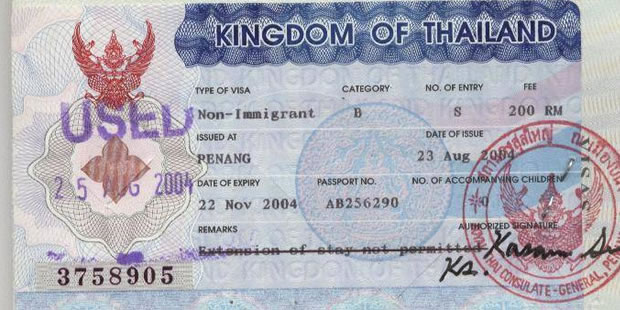
The Non-Immigrant Business Visa (B visa) is one of the most widely used categories of business visas in Thailand. This visa is intended for people who want to travel to Thailand on business, such as to attend conferences or meetings or look into possible commercial ventures. Typically, applicants must submit supporting documentation attesting to their financial stability and business intents in order to be eligible for a B visa.

Thailand provides additional visa alternatives for particular business objectives in addition to the Non-Immigrant Business Visa. For example, foreign investors wishing to start or engage in firms in Thailand might apply for the Investment Visa (I visa). In a same vein, the SMART Visa initiative aims to support highly qualified individuals, investors, and business owners who wish to support Thailand’s economic growth.

Usually, to obtain a business visa for Thailand, one must apply to the Royal Thai Embassy or Consulate in their home country or place of residency. Depending on the type of visa and the applicant’s country, the application procedure may change.

Perks and Benefits

After being granted, holders of business visas are allowed to do a variety of business-related activities in Thailand, such as attending conferences, negotiating contracts, and looking into potential investments. To prevent any legal problems during their stay in the nation, visa holders must strictly abide by the terms and conditions of their visa.

In certain situations, it is also feasible to extend or renew a business visa in Thailand. To keep their legal status in the nation, people must, however, make sure they meet the requirements and take the appropriate actions.

To sum up, business visas are incredibly useful for people and organizations looking to take part in Thailand’s thriving business scene. Professionals and businesses can confidently and easily negotiate the hurdles of conducting business in Thailand by being aware of the many visa alternatives that are available and adhering to the pertinent requirements.

Thai Retirement Visa

Thai Retirement Visa. Thailand, with its warm climate, rich cultural heritage, and tranquil landscapes, has long been a favored destination for retirees seeking a peaceful and fulfilling retirement. The Thai Retirement Visa, formally known as the Non-Immigrant O-A Visa, offers a legal pathway for foreign retirees to call the Land of Smiles their home. This article provides a comprehensive guide to understanding the Retirement Visa in Thailand, including eligibility criteria, application process, and key considerations for a successful application.

I. The Thai Retirement Visa: An Overview

The Thai Retirement Visa is designed to accommodate foreign nationals aged 50 years and above who wish to retire and reside in Thailand. This visa enables retirees to enjoy their golden years in a country renowned for its natural beauty, warm hospitality, and vibrant expatriate community.

II. Eligibility Criteria

A. Age Requirement: Applicants must be at least 50 years old at the time of application.

B. Financial Stability: Retirees must demonstrate a minimum monthly income or a lump sum in savings to meet the financial requirements set by Thai immigration authorities.

C. Health Insurance: Applicants are required to have valid health insurance that covers at least 40,000 THB for outpatient treatment and 400,000 THB for inpatient treatment.

III. Required Documentation

A. Valid Passport: A passport with at least one year of validity remaining.

B. Financial Documents: Proof of income, such as pension statements or bank statements, demonstrating the ability to meet the financial requirements.

C. Health Insurance: Valid health insurance documents meeting the specified criteria.

D. Medical Certificate: A medical certificate confirming the applicant’s good health and freedom from specific contagious diseases.

E. Criminal Record Check: A police clearance certificate confirming a clean criminal record in both Thailand and the applicant’s home country.

IV. Application Process

A. Submission of Application: The application for a Retirement Visa is submitted to the Thai embassy or consulate in the applicant’s home country.

B. Processing Time: The processing time for a Retirement Visa can vary depending on the applicant’s nationality and the specific requirements of the Thai consulate or embassy.

C. Notification of Approval: Once approved, the applicant will be notified and provided with instructions for obtaining their visa.

V. Benefits of a Retirement Visa

A. Extended Stay in Thailand: The Retirement Visa allows retirees to stay in Thailand for up to one year, with the option to renew.

B. No Requirement for Work Permit: Retirees are not required to obtain a work permit to live in Thailand under this visa.

C. Ability to Open Bank Accounts: Retirement Visa holders are eligible to open a bank account in Thailand, facilitating financial transactions.

Conclusion

The Thai Retirement Visa offers a golden opportunity for retirees to embrace a life of tranquility, cultural enrichment, and natural beauty in Thailand. By understanding the eligibility criteria, preparing the necessary documentation, and adhering to the application process, retirees can embark on this new chapter of their lives with confidence and enthusiasm. The Retirement Visa unlocks the door to a retirement experience filled with serenity and the joys of discovering the treasures of Thailand.

Marriage Visa in Thailand

Marriage Visa in Thailand. For couples seeking to build a life together in Thailand, the Marriage Visa, formally known as the Thai “O” Visa, offers a legal pathway to residency for foreign spouses. This visa allows foreign spouses to join their Thai partners and establish a life together in the Land of Smiles. This article serves as a comprehensive guide to understanding the Marriage Visa in Thailand, including eligibility criteria, application process, and key considerations for a successful application.

I. Understanding the Thai Marriage Visa

The Thai Marriage Visa is designed for foreign nationals who are married to Thai citizens. It provides a legal framework for spouses to reside together in Thailand, fostering the development of familial bonds and shared experiences.

II. Eligibility Criteria

A. Marriage Certificate: The applicant must be legally married to a Thai citizen, and the marriage must be recognized by Thai law.

B. Financial Stability: The sponsoring Thai spouse must meet specific income requirements or demonstrate the financial capacity to support the foreign spouse.

C. Criminal Record: Both spouses must have clean criminal records, both in Thailand and in their home countries.

III. Required Documentation

A. Valid Passport: A passport with at least six months of validity remaining.

B. Marriage Certificate: The official marriage certificate, issued by the Thai district office where the marriage was registered.

C. Proof of Financial Stability: Documents demonstrating the sponsoring spouse’s ability to financially support the foreign spouse.

D. Photographs: Recent passport-sized photographs meeting Thai visa photo specifications.

IV. Application Process

A. Submission of Application: The application for a Marriage Visa is submitted to the Thai embassy or consulate in the applicant’s home country.

B. Processing Time: The processing time for a Marriage Visa can vary depending on the applicant’s nationality and the specific requirements of the Thai consulate or embassy.

C. Notification of Approval: Once approved, the applicant will be notified and provided with instructions for obtaining their visa.

V. Maintaining and Renewing the Marriage Visa

A. Reporting to Thai Immigration: The foreign spouse must report to the local Thai immigration office every 90 days to confirm their continued residence in Thailand.

B. Renewal: Marriage Visas are typically granted in one-year increments. Before the visa expires, it must be extended at a local immigration office to continue residence.

VI. Benefits of a Marriage Visa

A. Legal Residency: Holders of the Marriage Visa can legally reside in Thailand with their Thai spouses.

B. Ability to Work: With the appropriate work permit, the foreign spouse can legally work in Thailand.

C. Access to Services: Marriage Visa holders may be eligible for certain social services and benefits available to Thai citizens.

Conclusion

The Thai Marriage Visa serves as a vital bridge for foreign spouses to join their Thai partners in building a life together in this culturally rich and diverse nation. By understanding the eligibility criteria, preparing the necessary documentation, and adhering to the application process, couples can embark on this journey with confidence and excitement. The Marriage Visa opens the door to shared experiences, cultural immersion, and the creation of lasting memories in Thailand.

Thailand Long-term Resident Visa

Thailand Long-term Resident Visa. Thailand, with its rich cultural tapestry and breathtaking landscapes, has long captivated the hearts of travelers and expatriates alike. For those seeking a more permanent connection to the Land of Smiles, the Thailand Long-term Resident Visa is a significant milestone. This article provides an in-depth exploration of the Long-term Resident Visa in Thailand, including eligibility criteria, application process, and the benefits it offers to those who choose to call Thailand their long-term home.

I. Unveiling the Thailand Long-term Resident Visa

The Thailand Long-term Resident Visa is a special visa category designed for foreign nationals seeking extended residency in the Kingdom. It grants holders the privilege to reside in Thailand for a prolonged period, fostering a deeper connection to the country’s vibrant culture and warm communities.

II. Eligibility Criteria

A. Age Requirement: Applicants must be at least 50 years old at the time of application.

B. Financial Stability: Applicants must demonstrate financial means, either through a minimum monthly income or a lump sum in savings, to support themselves while residing in Thailand.

C. Clear Criminal Record: A clean criminal record both in Thailand and in the applicant’s home country is a prerequisite.

D. Health Insurance: Proof of valid health insurance covering medical expenses while residing in Thailand.

III. Required Documentation

A. Valid Passport: A passport with at least one year of validity remaining.

B. Financial Documents: Evidence of financial stability, such as pension statements or bank statements.

C. Health Insurance Certificate: Valid health insurance documents that meet the specified criteria.

D. Medical Certificate: A medical certificate confirming the applicant’s good health and absence of contagious diseases.

E. Criminal Record Check: A police clearance certificate confirming a clean criminal record.

IV. Application Process for Long-term Resident Visa

A. Submission of Application: The application for a Long-term Resident Visa is submitted to the Thai embassy or consulate in the applicant’s home country.

B. Processing Time: The processing time for a Long-term Resident Visa can vary depending on the applicant’s nationality and the specific requirements of the Thai consulate or embassy.

C. Notification of Approval: Once approved, the applicant will be notified and provided with instructions for obtaining their visa.

V. Benefits of the Long-term Resident Visa

A. Extended Residency: Holders of the Long-term Resident Visa can reside in Thailand for up to five years, with the option to renew.

B. No Requirement for Work Permit: Long-term Resident Visa holders are not required to obtain a work permit to live in Thailand.

C. Cultural Immersion: The extended stay allows for a deeper integration into the local community and a more profound experience of Thai culture.

Conclusion

The Thailand Long-term Resident Visa is a gateway to a new chapter of life in a country renowned for its beauty, culture, and warm hospitality. By understanding the eligibility criteria, preparing the necessary documentation, and adhering to the application process, individuals can embark on this journey with confidence and enthusiasm. The Long-term Resident Visa offers a unique opportunity to create lasting memories and build meaningful connections in the Land of Smiles.